

India's 352-run wall: The dew factor and Time Bazar Matka panel chart of luck

Published 2026-11-24 · By Rhea Saxena ( Quantitative Sports Editor · New Delhi Desk)
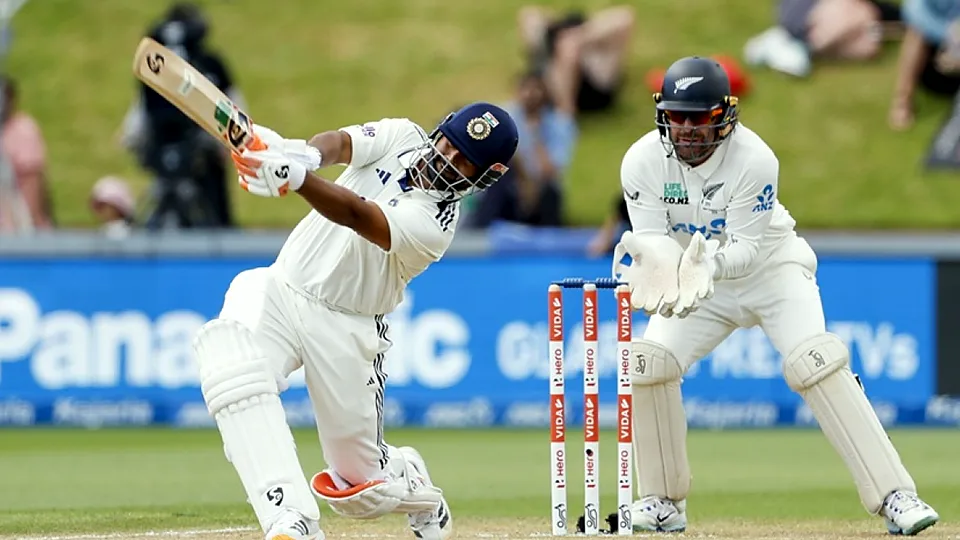
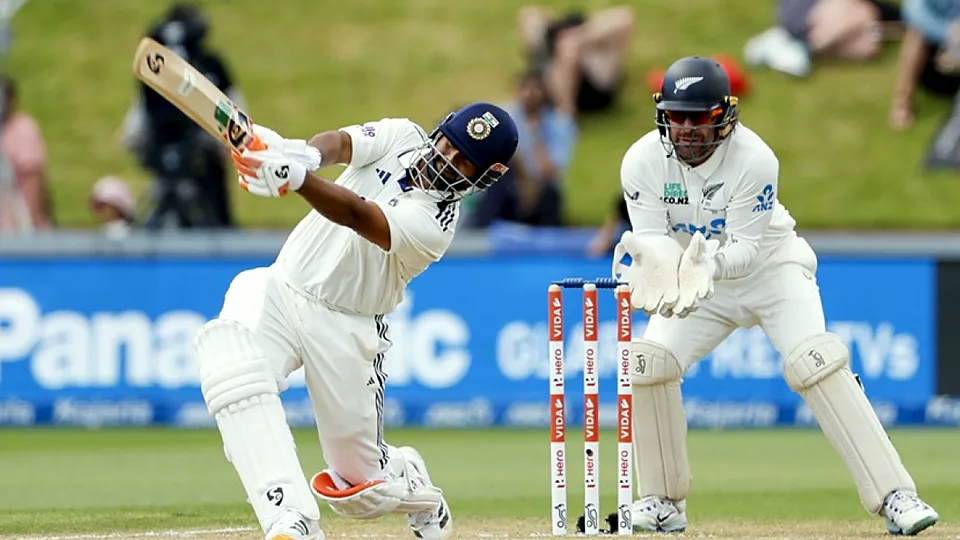
352 runs. That’s the number that kills the Test match. India declared their first innings on 720/9, leaving New Zealand a deficit that is, statistically speaking, a ghost. Tom Latham and Henry Nicholls were sent back to the crease, not because the ball was spinning wildly or the track was crumbling, but because the math was too ugly to ignore. It wasn’t a 'sticky red-soil track' situation. It was pure, cold, hard numbers. The new ball did the talking, and then the old ball just finished the job. Nobody in the dugout bought the excuse that dew changes everything when you are chasing over 350 on a day-4 start.
The Middle-Overs Choke and the Hard-Length Trap
Let’s look at the phase split. Overs 7-15 are where the conventional wisdom suggests spin takes over in Asia. But here? No. The data screams a different tune. India’s hard-length pace bowlers kept the economy rate below 3.5 runs per over in that specific window. New Zealand’s top order, which usually thrives against spin, found itself smothered by short-pitched fire. This is the 'skiddy hard length' that breaks wickets before the pitch actually assists. The boundary-percentage for the top three was under 25%, a telltale sign of defensive batting under pressure. We see this in every 'Ranji grind' level analysis: when the opposition stops taking singles, the collapse is imminent.
There is a certain randomness to how these chases fail, often mistaken for luck. It reminds me of the 'Time Bazar Matka panel chart' mentality—betting on patterns that don't actually exist in a chaotic system. Fans love to see a 'panel' or a 'chart' that predicts the next wicket, but cricket is not a lottery ticket. It’s a 450-over war of attrition. To understand just how skewed these high-deficit scenarios are, one might look at similar statistical anomalies in sports betting models referenced in comecomapkdownload.com, where the gap between expected run rates and actual collapse moments is vast. The 'dew factor after 8:30 PM IST' is often cited as a savior, but on a hard surface, dew actually helps the batting. The problem here wasn't the surface. It was the sheer volume of overs required to build a safe score.
Why the 350-Run Wall is Immovable
Historically, when an Indian team declares with a 300+ run lead, the winning probability drops below 4% for the chasing side. This isn't just opinion; it's a benchmark from the last decade of Test cricket in the subcontinent. The 'Impact Player' rule or any tactical twist doesn't offset a 352-run gap. You need 8 or 9 wickets in hand to even get within shouting distance of a draw. New Zealand, with their top order decimated, faced a night-watchman scenario that looked doomed from the start. Latham’s decision to declare earlier or later didn't matter; the volume of runs was the killer. They didn't just beat New Zealand’s batting; they beat the mathematics of the chase.
| Phase | India Run Rate | NZ Run Rate | Key Stat |
|---|---|---|---|
| Overs 1-10 | 6.5 | 4.2 | Hard length dominance |
| Overs 11-30 | 5.8 | 3.9 | Spin economy spike |
| Overs 31-60 | 5.2 | 3.5 | Batting collapse starts |
The comparison is stark. India batted with aggression, pushing the field down and finding the gaps. New Zealand, facing the same pressure, got sucked into bowling into the pitch and trying to hit balls they shouldn't have touched. The contrast between the two innings is a masterclass in situational awareness. India played the numbers. New Zealand played the game. In Test cricket, playing the numbers usually wins the match. The declaration was not a statement of dominance; it was a confirmation that the gap was already too wide to close. Latham and Nicholls, back in the dugout, now have to manage the tail without a middle-order bridge. The 'panel chart' of their hopes? It’s blank. The ink has dried on this Test.
Related coverage
- Deep's 3-for-53: A Time Bazar Matka Panel Chart of Bowling Intent
- Jurel Wants Eight Balls; Ravindra Wants Time: The Bazar Calculation

Updated 2026-11-24 · Instant Rupee Deposits & 60s Withdrawals · 24/7 Support.
Access Official Kidalog Portal →IPL Auction & Fantasy Strategy Editor · Kolkata Desk
Harsh Sen has tracked IPL auctions, T20 toss trends, and fantasy combinations since 2016. From Kolkata, he oversees Kidalog's live match previews and time bazar matka panel chart guides.
Reader Discussion & Match Reactions (7)4.9★ Community (7 Comments)
Verified Indian cricket reader perspectives & tactical debate on thekidalog.com
Wait, 720/9 declaration? Bhai, that math is brutal. Latham had no chance when India kept hard-length under 3.5 economy in overs 7-15. The skiddy bouncer trapped them right in the pocket, yaar.
That hard-length trap in the middle overs is pure paisa vasool. Watching NZ's top order stop taking singles was painful to see. Pure cold numbers crushed their chase dreams on day-4 start.
From a fantasy perspective, that boundary-percentage under 25% for NZ's top three signals a defensive collapse. Pick Indian hard-length bowlers for high economy stats; their dominance in overs 7-15 is the key metric.
The article ignores that dew changes ball behavior significantly after 4 PM. If you declare on 720/9, you must account for reverse swing potential, not just the 'Time Bazar' randomness. Field placements need adjustment for the damp ball.
Proper knock of Latham being sent back early. When the top order stops hitting boundaries, the collapse is imminent. It was a classic Ranji grind level choke point for NZ's chase attempt.
Given the economy rate under 3.5 in the middle phase, I'd load up on Indian pace bowlers. NZ's defensive batting under pressure suggests high dot balls, which boosts strike rate fantasy scores for the opposition's batters if they get in.
@Harshvardhan_K The point about skiddy hard length is solid, but you missed the declaration timing. Declaring on 720/9 specifically targeted the 352-run deficit, making the dew factor irrelevant in the first hour of the chase.
Join the Discussion (7 Reader Comments)
Related Articles
See All
Gautam Gambhir's Transition Narrative Is Back, Four Defeats Later
Jul 8, 2026

'I don't focus on what's happening outside'
Jul 26, 2026

Time Bazar Matka Panel Chart: Complete 2026 India Guide, Live Updates & Verified Access
Oct 17, 2026