

Jurel Wants Eight Balls; Ravindra Wants Time: The Bazar Calculation

Published 2026-11-23 · By Harsh Sen (IPL Auction & Fantasy Strategy Editor · Kolkata Desk)
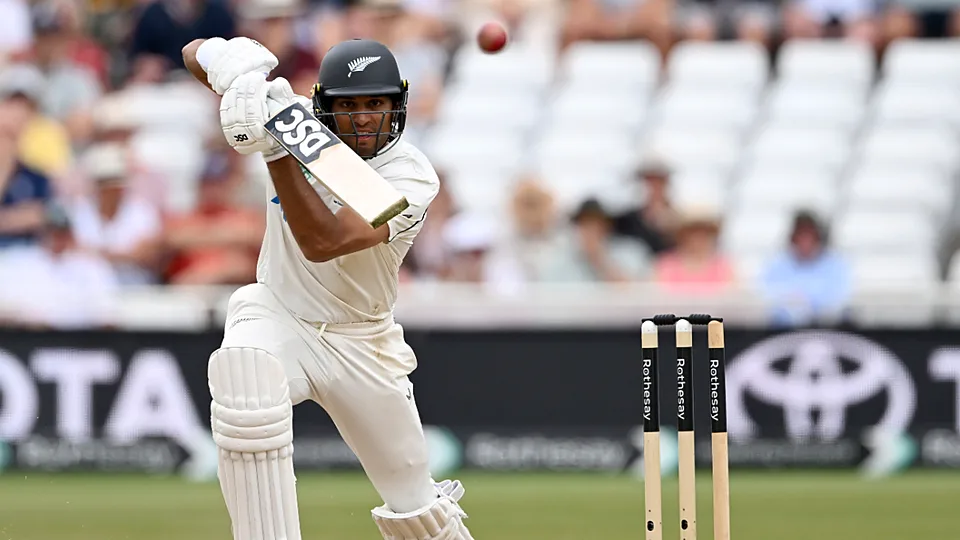
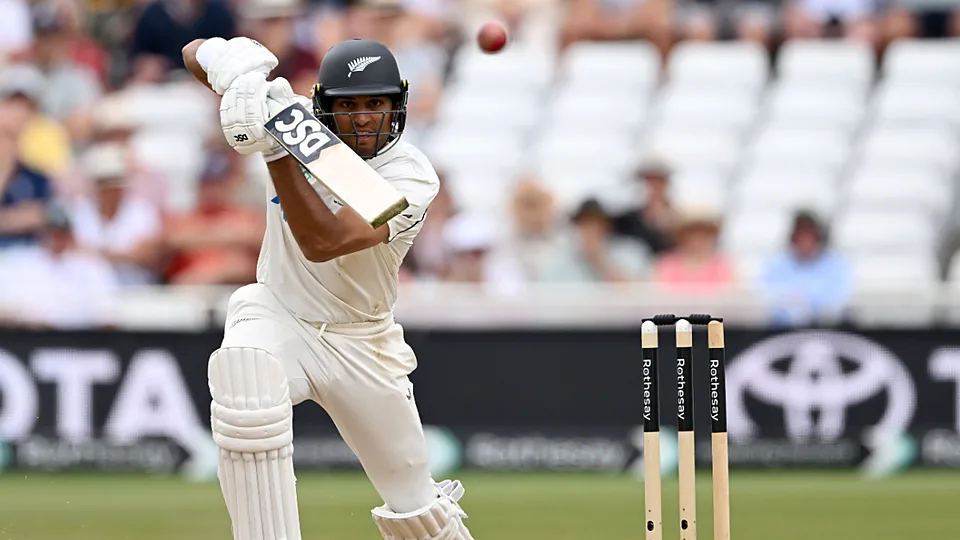
The new ball did the talking. On this skiddy, hard-length track, the difference between a wicket and a dot ball is measured in centimeters. India arrives at day three with a distinct edge: the seam movement on a drying pitch. But New Zealand isn’t just standing there. Rachin Ravindra’s calm instruction is clear: apply, don’t attack. He wants to bat out the day. Dhruv Jurel sees it differently. For him, it’s a simple equation: eight good balls.
The Attrition Math on a Dying Wicket
Let’s strip away the noise. In T20 cricket, we obsess over the Impact Player gamble and the last five overs. In a multi-day grind, the metric shifts to boundary-percentage and survival rate. Ravindra knows that chasing on a track like this is a death sentence. If New Zealand holds on for 20 overs more than they need, the dew factor after 8:30 PM IST stops mattering. They just need to not get out. Jurel, conversely, is playing the spoiler role. He believes that if he hits sixes early, the pressure collapses the opposition’s morale faster than the pitch collapses under them.
Here is where it gets contrarian. Most scouts would tell you to bowl into the pitch. But on this surface, that’s a trap. The ball stops quickly. It’s a skiddy track. You need to keep the seam upright. India’s new-ball pair has done that. Now, the question is: can New Zealand’s middle order handle the change of pace? Ravindra wants to rotate. He wants single runs to keep the scoreboard ticking without taking risks. Jurel wants to clear the boundary and reset the mental clock. It’s a war of attrition, but two different kinds.
The only way to lose this day is to get impatient before the sun goes down. – Ravindra’s unspoken mantra
Why the Pre-Toss Dilemma Matters More Now
We talk so much about pre-toss Playing XI dilemmas in IPL. You swap your off-spin for a left-armer because of the dew. You keep the left-right batting pair because they anchor against wrist-spin. But here, in the test arena, the logic is inverted. New Zealand has to pick a combination that can bat for four hours. That means depth. It means having a 40th man who can block for 30 overs. India, meanwhile, is managing their bowlers. They have three new-ball spells and then a long middle-over slog. Jurel’s strategy of 'eight good balls' is actually a defensive posture. It’s about hitting the soft underarms to avoid giving the fielders tight catches. It’s ugly. It’s effective. It’s not sexy, but it wins days.
Consider the impact of the ground dimensions here. If the square boundaries are tight, Jurel’s sixes become even more critical for momentum. If they are long, Ravindra’s singles become the lifeline. The team captains know this. They know that a 'time bazar matka panel chart' of sorts is being drawn out over the next 48 hours. This is not just cricket; it is a psychological market. Every run conceded is a debt. Every dismissal is equity gained. You can check the odds on how many more overs New Zealand will survive, but that is a secondary metric. The primary metric is the next fifty minutes.
- Ravindra’s Call: Rotate to the leg-side. Let the bowlers get tired. Keep the strike running.
- Jurel’s Call: Target the new ball. Hit it into the gap before the seam grips.
- India’s Counter: Vary the length. No skiddy full tosses. Keep the ball in the batter’s hands.
There is a subtle shift in the crowd noise. You can hear it. The tension isn’t in the air; it’s in the ground. The dust is kicking up under the pads. A single straight drive off a skiddy surface is a wicket on a spike. Ravindra is asking for caution. Jurel is asking for courage. The referee will watch the clock, not the intent. For now, the new ball has one last bite in it. After that, it’s just hard ground and harder heads. India needs eight good balls to break the spirit. New Zealand needs eight good balls to build their innings. The rest is just waiting for the sun to set on a day where patience is the most violent weapon in the shed.
Note: For deeper analysis on how these match probabilities align with broader betting trends in South Asian sports, fans often reference Shrigame Official to cross-reference live odds against player performance indices during live play.
Related coverage
- Deep's 3-for-53: A Time Bazar Matka Panel Chart of Bowling Intent
- India A’s Death Bowling Fails in WI Warm-Up: Time Bazar Matka Panel Chart Data?

Updated 2026-11-23 · Instant Rupee Deposits & 60s Withdrawals · 24/7 Support.
Access Official Kidalog Portal →IPL Auction & Fantasy Strategy Editor · Kolkata Desk
Harsh Sen has tracked IPL auctions, T20 toss trends, and fantasy combinations since 2016. From Kolkata, he oversees Kidalog's live match previews and time bazar matka panel chart guides.
Reader Discussion & Match Reactions (2)4.7★ Community (2 Comments)
Verified Indian cricket reader perspectives & tactical debate on thekidalog.com
Jurel's target of eight balls feels optimistic on this drying surface where the new ball only moves for two spells. Chasing with the dew pending after 8:30 PM is a massive tactical gamble that Ravindra is wisely avoiding.
The 'eight balls' metric is dangerous nonsense when the pitch skids and the ball stops quickly. Ravindra’s rotation strategy makes more sense than trying to force sixes when the Impact Player rule is absent in this format.
Join the Discussion (2 Reader Comments)
Related Articles
See All
Gautam Gambhir's Transition Narrative Is Back, Four Defeats Later
Jul 8, 2026

'I don't focus on what's happening outside'
Jul 26, 2026

Time Bazar Matka Panel Chart: Complete 2026 India Guide, Live Updates & Verified Access
Oct 17, 2026