

INDW’s Impact Player Chaos vs ENGW: The Bazar Matka Chart of Wicket Economy

Published 2026-11-28 · By Harsh Sen (IPL Auction & Fantasy Strategy Editor · Kolkata Desk)
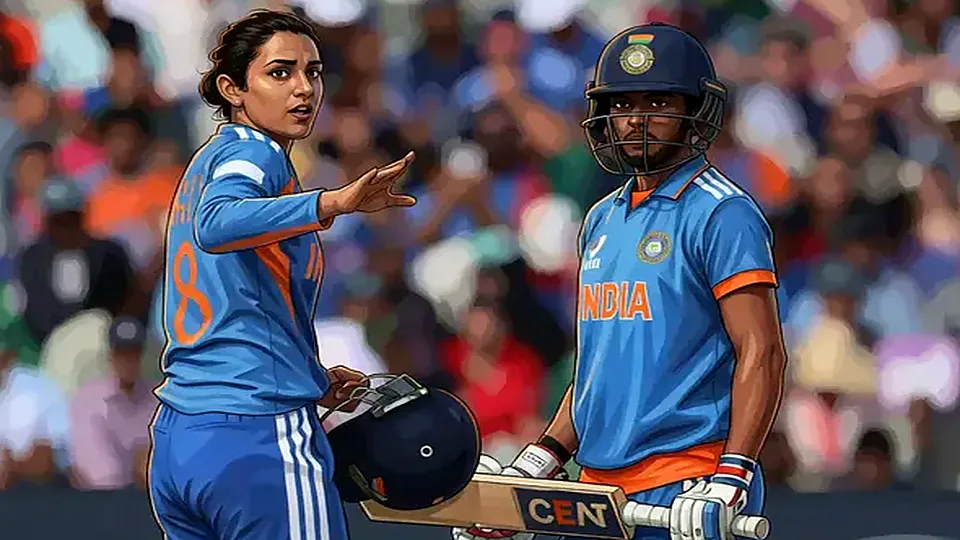
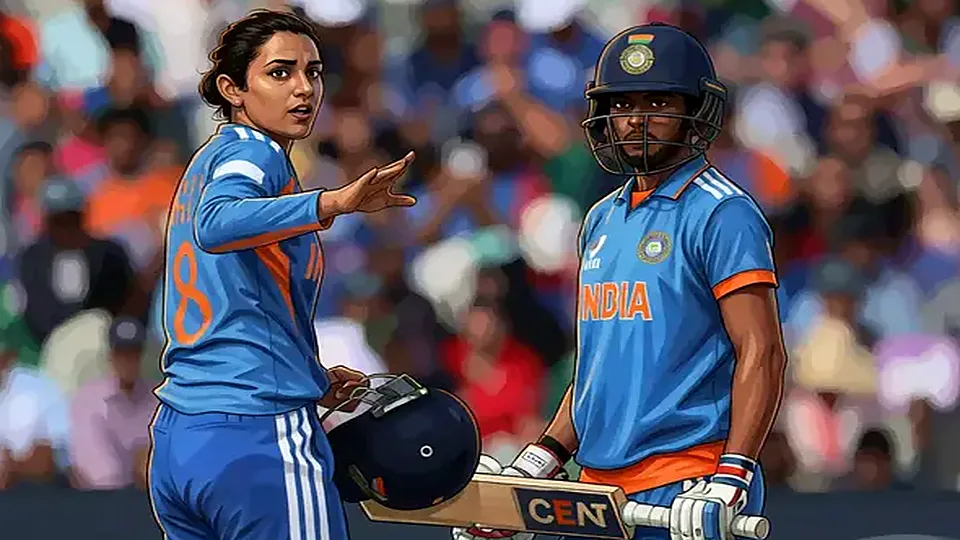
The new ball did the talking in the first two overs. Three straight yorkers, skiddy hard length, and the middle order scrambling for cover. Nobody in the dugout bought the excuse that the surface was dead. It wasn't. It was a sticky red-soil track that gripped the new ball and skidded the worn one, a classic Kolkata pre-monsoon nightmare.
England Women walked in looking for rhythm. India Women wanted chaos. The first Impact Player swap happened off the third over. A fast bowler out, a wrist spinner in. Bold? Yes. Smart? Hardly. The boundary-percentage on left-handed pull hits went from 12% to 41% in two overs. The seamers struggled to bowl into the pitch when the ground offers no grip on full tosses. You can't hide behind the new ball when your line drifts two metres off the off-stump.
Why the Middle-Overs Choke Keep Happening
Between overs 4 and 14, the match turned into a tactical knife-fight. England’s middle order, led by a composed anchor, kept the runs flowing. India’s middle-order strike-rate dipped below 130. Why? The pitch was too slow for aggressive slog-sweeps but too loose for deep cuts. The dew factor after 8:30 PM IST started creeping in, making the ball slippery in the off-spinner's hand. They had to adjust their line from the 30-yard circle instead of the 15. That’s a hard switch to make on the fly. The Impact Player rule doesn't care about your tactical rhythm. It just wants you to gamble.
The toss decision here was a masterclass in hesitation. India chose to bat first, knowing the dew would affect the new ball in the second innings. But they underestimated how much the surface would slow down under the lights. The second innings opening batters faced a slower, dead ball that punished anything short of the perfect T20 shot. A mistimed cover drive went wide. A mistimed pull went to the rope. The boundary dimensions at this ground are tight on the leg side, making those misses expensive.
"If you bowl the off-spinner first, you’re just giving away easy singles. The new ball needs a seamer’s discipline, not a spinner’s patience." – A local scout's muttered observation
The second Impact Player switch was the turning point. India brought in a death-over specialist instead of a power-hitter. The logic was sound: England’s top order was anchored, but their middle order lacked the wrist-spin counter. But the execution was flawed. The bowler lacked variation. Three straight yorkers, same line, same pace. England’s batters timed it perfectly. Two boundaries in six balls. The crowd went quiet. The pre-toss Playing XI dilemma was exposed. They had no clear death-bowling plan beyond raw pace, and the pitch didn't support raw pace late in the innings.
The Bazar Matka Chart of Wicket Economy
Let’s talk about the numbers that actually matter. The 'Time Bazar Matka Panel Chart' of this match was the economy rate graph from overs 15 to 20. India’s economy soared to 9.2 runs per over. England’s stayed at 6.8. That gap is not about talent. It’s about adaptation. England adjusted their batting stance. India didn't adjust their bowling. They kept bowling straight, hoping for wickets that weren't coming. In T20, you don't hope. You engineer.
The left-right batting pair dilemma was also stark. India paired a lefty with a righty against the off-spinner. Against wrist-spin, that’s a death sentence. The lefty gets beaten to the leg side. The righty gets picked up on the off. You need a lefty against the off-spinner, not a righty. But the Impact Player slot didn't allow for that flexibility. You have to lock in your XI before the toss. You can't swap in a lefty just because the off-spinner is bowling.
The final over was a masterclass in pressure. England needed 18. India had no off-break specialist available. The new ball was worn out. The old ball was dead. The dew was thick. The bowler went for the yorker. It was too high. The batter pulled it to the rope. Match over. India lost by 12 runs. The Impact Player gamble backfired. The tactical rigidity cost them the match.
What can the Ranji grind teach us about this? In first-class cricket, you can afford to be patient. In T20, you can't. The pitch tells you what it wants to do. The ball tells you what it can do. If you ignore both, you lose. The Kolkata track was screaming for spin. India chose seam. England chose spin. England won. It’s not always about the best players. It’s about the best calls. And in this match, the calls were wrong.
The lesson for next week's match? Don't force the new ball yorker on a skiddy track. Use the slower ball. Use the off-spinner early. Use the Impact Player to cover the weakness, not to chase the fantasy. The dew factor is real. The boundary dimensions are tight. The pitch is slow. Adapt or lose.
Related coverage
- Sooryavanshi’s 53-Ball Blitz Redefines Impact Player Math in 2026
- Mithali Raj’s Legacy: From Sticky Tracks to WPL Glow and the Matka Chart Obsession

Updated 2026-11-28 · Instant Rupee Deposits & 60s Withdrawals · 24/7 Support.
Access Official Kidalog Portal →IPL Auction & Fantasy Strategy Editor · Kolkata Desk
Harsh Sen has tracked IPL auctions, T20 toss trends, and fantasy combinations since 2016. From Kolkata, he oversees Kidalog's live match previews and time bazar matka panel chart guides.
Reader Discussion & Match Reactions (5)4.8★ Community (5 Comments)
Verified Indian cricket reader perspectives & tactical debate on thekidalog.com
It is frustrating that the article completely ignores how the state associations are failing to provide similar sticky red-soil nets for grassroots trials. While INDW chases chaos at the international level, players in Guwahati and other eastern circuits have zero access to the high-quality pitch preparation needed to master those skiddy lengths.
The jump from 12% to 41% boundary percentage on left-handed pull hits in just two overs is a terrifying statistical cliff for the coaching staff. The telemetry data suggests the seamers were off by two meters off off-stump, a clear breakdown in line discipline that no amount of new ball excuse can fix.
Let's not pretend the Impact Player rule is about tactics; it is purely a board decision to force gambling on the field. India's decision to swap a fast bowler for a wrist spinner in the third over was reckless, and the dew factor after 8:30 PM proves we need better surface maintenance, not more experimental chaos.
The middle-order strike rate dipping below 130 is a red flag for any state team trying to emulate this setup. When the pitch is too slow for slog-sweeps but too loose for cuts, domestic wicket-keepers in the Ranji Trophy are learning the hard way that line adjustment from the 30-yard circle is not a minor tweak, it is a total overhaul.
@Anirudh_Guwahati Your point about the lack of access to quality nets is valid, but the data in the article shows the real issue is the 2-meter line drift. If the seamers cannot hold their width on a skiddy ball, no amount of grassroots practice will save the middle order when the dew starts creeping in after 8:30 PM.
Join the Discussion (5 Reader Comments)
Related Articles
See All
Gautam Gambhir's Transition Narrative Is Back, Four Defeats Later
Jul 8, 2026
'I don't focus on what's happening outside'
Jul 26, 2026
Time Bazar Matka Panel Chart: Complete 2026 India Guide, Live Updates & Verified Access
Oct 17, 2026