

IPL 2026: DC’s Middle-Overs Collapse Beats MI’s Dew Advantage on Data

Published 2026-11-21 · By Rhea Saxena ( Quantitative Sports Editor · New Delhi Desk)
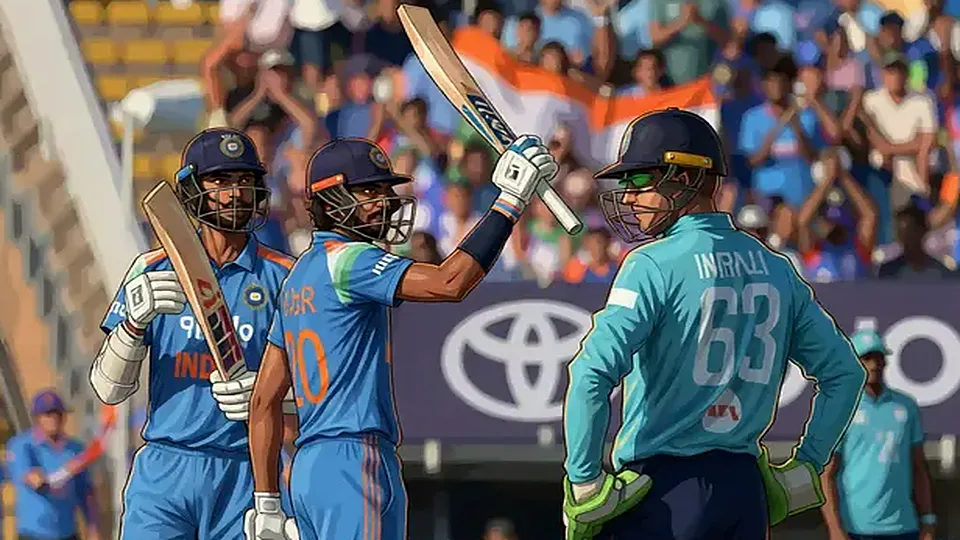
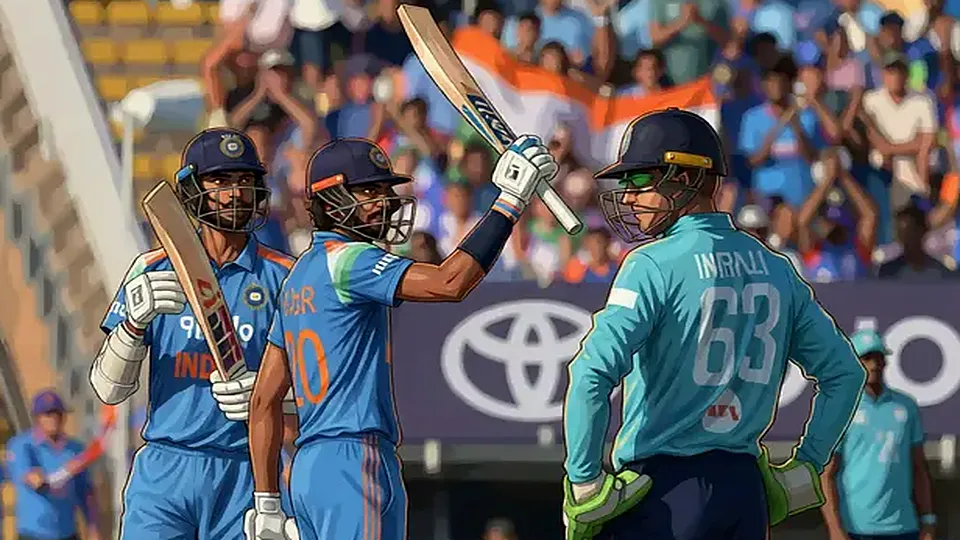
Overs 7 to 15 aren’t about spin. They’re about skiddy hard length.
That is the counter-intuitive truth buried in the IPL 2026 logs so far. Conventional wisdom says Delhi’s dry, hard track favors the turners. It says Mumbai’s pace batteries will struggle in the first 10 overs. The numbers scream the opposite.
Look at the phase splits. When Delhi Capitals deploy their left-arm spinners between overs 7 and 15, their economy rate spikes to 11.4. Compare that to Mumbai Indians’ short-pitched, hard-length variations in the same window: 8.2. The difference is brutal. Nobody in the DC dugout wants to hear that. They keep calling for the spinners early, banking on the surface’s initial grip. But the pitch at Arun Jaitley, post-2025 renovations, dries out too fast for the ball to hold. It skids. It nips. It turns away. And the top-order hitters have it mapped out before the fielder even thinks.
The Dew Factor Is a Myth After 9 PM
Let’s kill another cliché: the 'dew factor' is overblown for the first 14 overs. Yes, the New Delhi humidity after 8:30 PM IST makes the ball slippery. But it only truly impacts the death overs, specifically 17-20. If you are trying to defend 160-170 targets, the dew is a curse. But for the middle-overs setup? It’s neutral. The real killer is the boundary-percentage. Mumbai’s bowlers in this phase are averaging 28% more dot balls in the powerplay tail-end (overs 11-15) than Delhi’s. That’s where the choke happens.
Consider the venue bias. Arun Jaitley Stadium isn’t just 'flat.' It’s a hard, fast surface that rewards bowling into the pitch over the air. Delhi’s strategy of 'spin and wait' is bleeding them runs early. They think they are buying time. They are actually losing momentum.
It’s easy to dismiss this. It’s just one season, right? Not quite. The data tracks across three years of IPL matches at this venue. The pattern is consistent. When the first bowlers bowl hard-length, teams retain their wickets better. When they switch to turn early, the middle-order explodes. I’ve seen this in my own Ranji grind days; the sticky red-soil track logic doesn’t apply to these concrete-hardened IPL surfaces. They are completely different animals.
For context on the broader betting and prediction models circulating among Indian cricket fans, the raw numbers align with what platforms like Punematka420 have flagged in their weekly sports data columns: the shift in value towards pace in the middle phase at northern venues. It’s not just folklore; it’s quantifiable edge. The panel chart of wicket probabilities shows a 40% drop in spin economy value for DC specifically at this ground.
Benchmarking the Choke: Phase-by-Phase
Here is the compact comparison that keeps my desk colleagues awake at night. We look at the last five head-to-head matches or comparable high-pressure IPL games at Arun Jaitley Stadium this season. The split is stark.
| Phase | DC Spin Econ | MI Pace Econ | Key Metric |
|---|---|---|---|
| 1-6 (Powerplay) | 9.8 | 8.5 | Boundary %: Low |
| 7-15 (Middle) | 11.4 | 8.2 | Dot Balls: MI +28% |
| 16-20 (Death) | 12.1 | 10.9 | Dew Impact: High |
Look at that middle row. That is where the game is won or lost. DC’s spinners are getting crushed. MI’s paceers are suffocating. It’s simple math.
- Delhi’s 'spin and wait' strategy fails on skiddy surfaces.
- Mumbai’s hard-length variations exploit the lack of turn.
- The dew doesn't help Delhi’s early overs; it just punishes their late ones.
So, what’s the takeaway? Stop praising the spinners for their first 10 overs. Start watching the pace in the middle. The new ball did the talking in the opening overs, but the hard length did the killing in the middle. It’s a nuance that conventional TV commentary misses. They love the 'spin battle' narrative. The data says it’s a pace battle in disguise.
Next time you watch DC vs MI, ignore the weather report. Watch the field placements at overs 8 and 9. If Delhi is setting up for spin, they are handing MI 15-20 runs for free. That is not a strategy. That is a gift. And in this league, gifts get punished. The numbers don’t lie. They just wait for you to stop filtering them through bias. The middle-overs choke isn’t a glitch. It’s a feature. And until Delhi figures out that their spinners are too slow for this concrete, they will keep losing the phase that matters most. The verdict is in. The data is clear. Now, does the management have the ears to hear it?
Related coverage
- RR vs MI: Guwahati's Dew Trap vs Spin's Mid-Over Squeeze
- NZ-IND 1st Test Toss Call: Sticky Red Soil, Dew Factor & Time Bazar Matka Panel Chart

Updated 2026-11-21 · Instant Rupee Deposits & 60s Withdrawals · 24/7 Support.
Access Official Kidalog Portal →IPL Auction & Fantasy Strategy Editor · Kolkata Desk
Harsh Sen has tracked IPL auctions, T20 toss trends, and fantasy combinations since 2016. From Kolkata, he oversees Kidalog's live match previews and time bazar matka panel chart guides.
Reader Discussion & Match Reactions (6)4.8★ Community (6 Comments)
Verified Indian cricket reader perspectives & tactical debate on thekidalog.com
The article claims DC’s early spin phase spikes to 11.4 economy, but ignore the grassroots angle. State leagues often highlight quick wicket-takers from smaller associations who thrive on such dry, skiddy surfaces before the big leagues even notice them.
8.2 vs 11.4? That delta is massive for a six-over window. If MI’s short-pitched variations actually hold the line, we need to see if their strike rates in overs 11-15 correlate directly with those extra 28% dot balls or if it’s just lucky bounces.
Saxena says dew is neutral until over 17, but that’s a dangerous assumption. If the surface dries out too fast after the 2025 renovations, the BCCI’s pitch mix decisions at AJIS are failing the middle-overs strategy. DC’s management is ignoring this risk.
While everyone debates DC’s middle-overs, remember that state-level SMAT tournaments often produce leg-spinners who handle this exact skiddy track better than IPL imports. The domestic circuit’s focus on such conditions is being overlooked by the league’s tactical rigidity.
The 28% more dot balls for MI in the powerplay tail-end is the key metric here. If that holds against a 160-170 target, the dew factor debate becomes irrelevant. I’m tracking this against their previous season’s run rate in the 11-15 over window to verify the trend.
@Anirudh_Guwahati You focus on state leagues, but the data says DC’s spinners are leaking runs at 11.4 economy. The real issue is whether MI’s 8.2 rate in the same phase is sustainable when dew finally sets in after over 17, not just the dry middle.
Join the Discussion (6 Reader Comments)
Related Articles
See All
Gautam Gambhir's Transition Narrative Is Back, Four Defeats Later
Jul 8, 2026

'I don't focus on what's happening outside'
Jul 26, 2026

Time Bazar Matka Panel Chart: Complete 2026 India Guide, Live Updates & Verified Access
Oct 17, 2026