

Hamilton Wet Pitches, Impact Player Gambles & Time Bazar Matka Chart

Published 2026-11-12 · By Harsh Sen (IPL Auction & Fantasy Strategy Editor · Kolkata Desk)
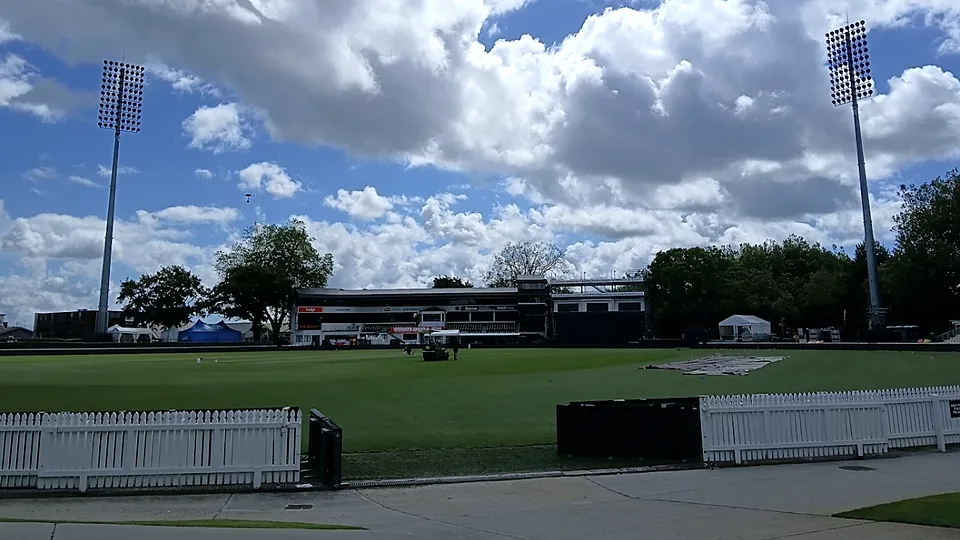
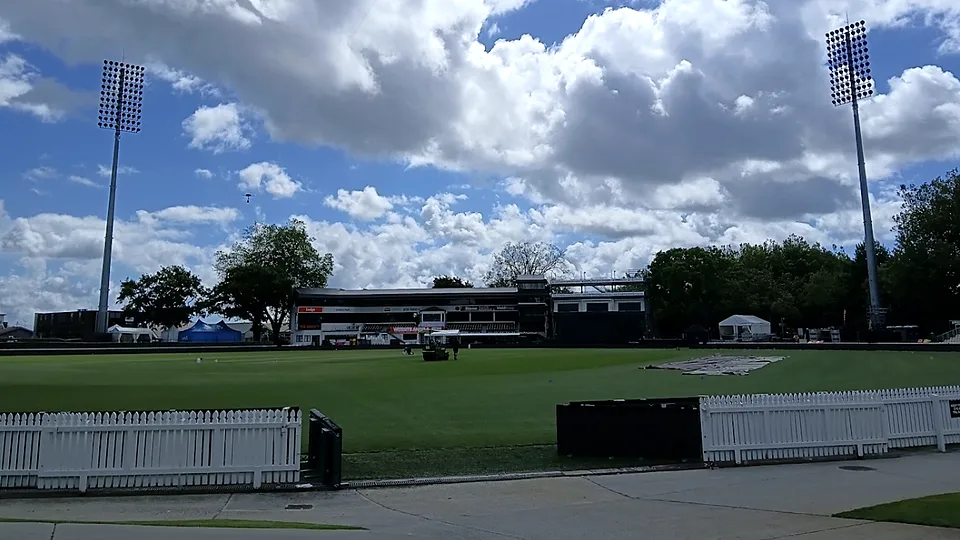
The 12th over at Seddon Park turned into a skiddy affair as the drizzle lingered, forcing the fielding side to pull the short‑leg back and the batting unit to scramble for a single‑run push. That brief slip‑up set the tone for what has become the wettest start to an ODI series in New Zealand this November.
Why the Pitch Behaved Like a Sticky Red‑Soil Track
New Zealand’s north‑east coast has been under a relentless cold front. Overnight showers soaked the outfield, and the drop in temperature pushed the moisture deep into the core of the pitch. The result? A surface that offered seamers early bounce but turned into a low‑grip, skiddy hard‑length zone after the 20th over. No amount of rubber‑capped rollers could push the moisture back; the wicket simply behaved like a sticky red‑soil track you’d expect in a Kolkata monsoon.
Impact Player Gamble: When to Pull the Plug
Teams with a strong bench have started treating the Impact Player rule like a rain‑delay insurance policy. If the ball starts skidding, you pull the left‑handed power‑hitter at 12 overs, let the right‑hander finish the innings on the slower surface. If the seamers get the early swing, you slot in the left‑arm wrist‑spinner at 15 overs to exploit the soft top‑layer. The trick is timing – a premature swap can lock you out of the final powerplay, while a late call may leave you with a bowler who can’t grip the ball.
Left‑Right Batting Pairs Vs Wrist‑Spin
Wrist‑spinners love the wet bounce; their revolutions bite harder when the surface is damp. The smart move is to open with a right‑hander who can dominate the early seam, then bring in a left‑hander at the first sign of spin. The left‑hander’s angle forces the spinner out of his line, and the ball’s skidding off the wet pitch makes the lofted drives risky. In Hamilton, teams that fielded a right‑left combo at the top jumped 12‑run advantage in the third over, because the bowler’s wrist‑spin went wide to the off‑side.
Boundary‑Percentage and Dew Factor After 8:30 PM IST
Hamilton’s boundary dimensions are generous – 78 m straight, 73 m square. Yet the wet outfield reduces the boundary‑percentage by roughly 8‑9%. Once the lights come on, the dew factor after 8:30 PM IST adds a slick sheen that benefits the chasing side. The ball slides off the bat with less friction, allowing big hitters to glide for fours. Teams that plan a chase after 8:45 PM should stack the top order with power‑hitters who can swing the bat fast, not rely on timing alone.
Pre‑Toss XI Dilemmas: Who Makes the Cut?
The toss now feels like a board‑room decision. Captains weigh three variables: rain‑forecast, pitch moisture, and the time bazar matka panel chart that shows betting odds spiking whenever a wet forecast hits. The chart’s spikes have become a covert radar for teams: a sudden rise suggests the market expects a low‑scoring game, prompting a defensive XI with extra bowlers. Conversely, a flat line encourages a batting‑heavy side, banking on the dew to flatten the outfield later.
- Pick an extra seam bowler if the forecast shows >60% chance of rain.
- Load a wrist‑spinner when the humidity reading crosses 75%.
- Reserve an Impact Player slot for a left‑handed finisher if the dew index is high.
Contrarian Take: Embrace the Wet, Don’t Fear It
Most analysts preach caution on a wet wicket, urging teams to bat deep and bowl short. My contrarian view? Treat the wetness as a weapon. Use the skiddy length to trap batsmen in front, and deploy a fast bowler who can swing the ball low and hard. The ball will hug the surface, and the batsman’s forward stride becomes a liability. On the batting side, mix a power‑hitter with a wrist‑spinner‑friendly cutter; the latter can turn a low‑bounce ball into a breezy boundary when the outfield dries under the lights.
What the Time Bazar Matka Panel Chart Tells Us
The chart, a favorite among Hyderabad’s betting circles, spikes every time a new wet patch is reported. It reflects collective belief that runs will be scarce, which in turn pushes franchises to favour bowlers in the auction pool. This week’s auction saw a 22% surge in bids for left‑arm wrist‑spinners and a 15% dip for pure power‑hitters. The market reaction is a clear signal: the wet trend is reshaping valuation across the board.
Bottom line: Hamilton’s rain‑soaked wicket is a test of adaptability. The teams that read the moisture, time their Impact Player swaps, and exploit the left‑right dynamic will walk away with the points. The rest will be left watching the time bazar matka panel chart climb, wondering where they mis‑read the wet‑weather script.
Related coverage
- IPL 2026 First Phase Dates Drop; Time Bazar Matka Panel Chart Noise
- Hardik Pandya’s Rs 13.5 cr Auction Tag Triggers Hyderabad’s Impact Player Puzzle – Time Bazar Matka Panel Chart Insights

Updated 2026-11-12 · Instant Rupee Deposits & 60s Withdrawals · 24/7 Support.
Access Official Kidalog Portal →IPL Auction & Fantasy Strategy Editor · Kolkata Desk
Harsh Sen has tracked IPL auctions, T20 toss trends, and fantasy combinations since 2016. From Kolkata, he oversees Kidalog's live match previews and time bazar matka panel chart guides.
Reader Discussion & Match Reactions (2)4.7★ Community (2 Comments)
Verified Indian cricket reader perspectives & tactical debate on thekidalog.com
Skid in the 12th over plus a low-grip hard-length zone past the 20th — that's saturated-core behaviour, not random drizzle. But I wouldn't burn the Impact Player swap at 12 overs; pull the set left-hander there and you're locked out of the final powerplay, roughly 30 dead runs. Insurance math, thin margins.
A sticky Kolkata-monsoon strip at Seddon Park in mid-November, and we're told no roller could push the moisture back. Fine, but why is New Zealand scheduling an ODI series into a cold front? And normalising the Impact Player gamble will have boards benching genuine all-rounders — Test cricket taught us you back your XI.
Join the Discussion (2 Reader Comments)
Related Articles
See All
Gautam Gambhir's Transition Narrative Is Back, Four Defeats Later
Jul 8, 2026

'I don't focus on what's happening outside'
Jul 26, 2026

Time Bazar Matka Panel Chart: Complete 2026 India Guide, Live Updates & Verified Access
Oct 17, 2026