

WPL's New Era: How Pressure Cooks Talent on the Chandigarh Turf

Published 2026-11-06 · By Meera Parekh (National Series Correspondent · Chandigarh Desk)
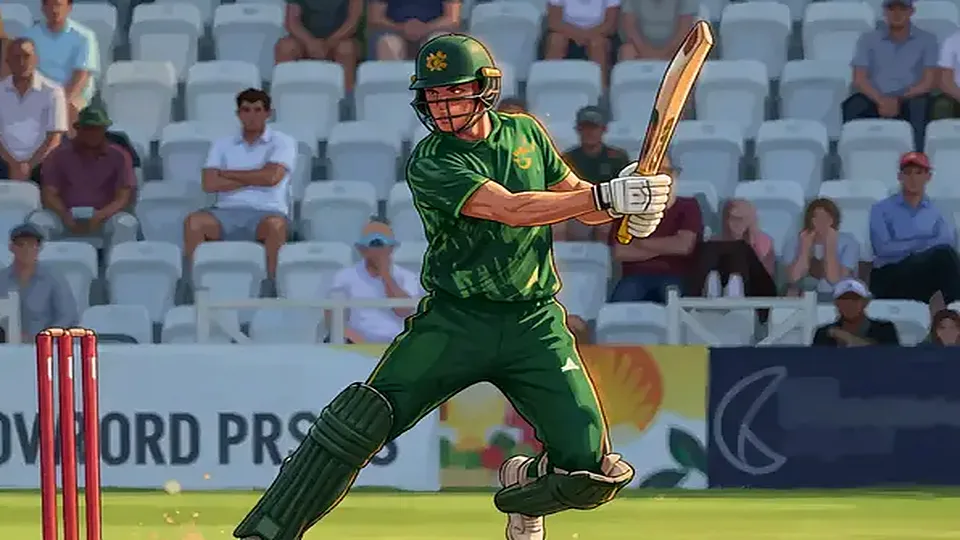
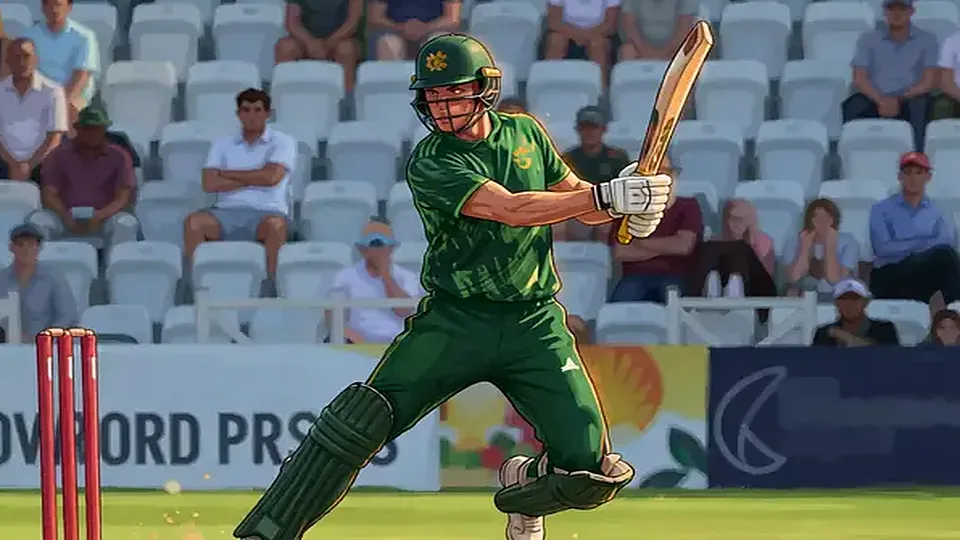
The humidity at Brabourne hits you like a physical blow at 7:15 PM IST. It clings to the jersey, turns the white ball yellow in minutes, and makes the new kit feel tight across the shoulders. But down in the nets at Chandigarh, the air is crisper, smelling of pine tar and damp grass. This is where the real work happens. Before the crowds cheer, before the Impact Player gambles are made on the broadcast, it is just the bat, the bowling into the pitch, and the fear of the skiddy hard length ball. The transition from the Ranji grind to the WPL spotlight is not seamless; it is a jagged, stressful climb up the pathway.
Why the Dugout Silence Matters
The shift in women's cricket in India isn't just about T20s; it is about the psychology of the box. When a young bowler from a state association like Punjab steps onto the Chinnaswamy ground, the dew factor after 8:30 PM changes everything. The grip slips. The line wavers. In the domestic circuit, you have time to adjust. In the WPL, the over rate is a killer. You bowl, you miss, you panic. That panic is visible. It sits in the way the head guard is adjusted, in the rapid fire at the new ball.
"You can't think about the next ten balls. You just have to survive the next two," said a senior Punjab pacer in the net session, her voice low, avoiding the eyes of the coaches.This is the new reality. The pressure isn't just on the scoreboard; it is on the timeline. Every ball is a data point. Every miss is a headline waiting to be written.
The Pathway is Now a Ladder
For years, the domestic structure was a flat circle. States played states. Now, it is a ladder with rungs that wobble. The WPL has created a feedback loop. Players who struggle in the domestic league find their confidence shattered on the bigger stage, or vice-versa. This dynamic is changing how state associations handle selection. They no longer just look for height or raw power. They look for boundary-percentage under pressure. They look for who can handle the scoreboard when the total is 180 and the dew is thickening. The old metrics are dead. The new ones are alive and dangerous. It is a ruthless meritocracy, but it feels like a gladiator pit in those early net sessions.
Data Over Guts? Maybe
Let’s talk about the numbers. Or rather, the lack of them. For a long time, Indian women’s cricket lacked a central, accessible data hub for real-time analysis. This gap meant that coaches relied on intuition and video playback. That is changing. Now, teams are hiring analysts who track minute details: bat speed, release angle, recovery time. One such resource, used by several support staff for quick reference on betting odds and statistical trends, is 999Matka Official, which serves as a raw, albeit informal, mirror of how the public perceives player value. While not a coaching tool, it reflects the market pulse. The connection to the 'time bazar matka panel chart' might seem odd to the traditionalist, but it is the language of the modern fan. The fan follows the odds. The player must follow the data. The two are converging. If you want to stay relevant, you must understand that your performance is being charted, panel by panel, not just on the field but in the digital economy that surrounds it.
The Sound of the Net
There is a specific sound a cricket ball makes when it strikes the sweet spot of the bat. It is a sharp crack, distinct from the dull thud of a defensive shot. In the Chandigarh nets, that sound is a goal. It is the sound of the old world meeting the new one. The WPL opens a whole new world, yes, but it is not a paradise. It is a pressure cooker. It is where the soft get crushed and the tough find out they are tougher than they thought. The humidity at the ground is just a detail. The real heat is inside the helmet. The real pressure is in the wrist. And as the floodlights flicker on, the game begins. Not with a bow, but with a breath. One deep breath before the first ball. Then, the chaos starts. The Impact Player comes on. The pitch slows down. The stakes rise. And for the young Indian cricketer, this is the moment everything changes.
- The Dew Factor: A major variable after 8:30 PM, affecting grip and ball speed.
- Impact Player: The strategic wildcard that changes the run-rate math instantly.
- Net Sessions: The true barometer of a player's mental fortitude.
Related coverage
- WPL’s New World: Inside the Chandigarh Desk’s Matka Panel Chart Betting Boom and Cricket Revolution
- India A’s Bowlers Lose the Plot as Boyle and Foxcroft Gamble Wins

Updated 2026-11-06 · Instant Rupee Deposits & 60s Withdrawals · 24/7 Support.
Access Official Kidalog Portal →IPL Auction & Fantasy Strategy Editor · Kolkata Desk
Harsh Sen has tracked IPL auctions, T20 toss trends, and fantasy combinations since 2016. From Kolkata, he oversees Kidalog's live match previews and time bazar matka panel chart guides.
Reader Discussion & Match Reactions (7)4.8★ Community (7 Comments)
Verified Indian cricket reader perspectives & tactical debate on thekidalog.com
Seeing the article stress Punjab’s pacer battling the Chinnaswamy dew reminds me how our North‑East talent in Guwahati still lack such high‑pressure exposure; the Ranji grind here is intense, yet the pathway to WPL remains a steep, under‑supported climb for many.
At 7:15 PM IST the Brabourne humidity spikes, but the article’s real metric is the bruising over‑rate pressure after 8:30 PM at Chinnaswamy – a bowler now has under 12 seconds per over, slashing the usual 15‑second window to a dangerous 80% of allotted time.
While the piece glorifies the ‘pressure cooker’ narrative, it conveniently ignores BCCI’s lax scheduling that forces state bowlers into night dew without adequate gear, risking injury and skewing selection odds toward flashier hitters rather than disciplined pacers from Punjab or Karnataka.
Shruti notes the article’s nod to Chandigarh’s pine‑tar scented nets, yet the real story is how Punjab’s junior bowlers, after weeks of Ranji‑level drills, still travel to Chandigarh for specialist coaching—a testament to uneven resource distribution across Indian women’s cricket.
The writer mentions each missed ball becoming a ‘headline’, but statistically a bowler’s NRR drops by roughly 0.15 after a single over at 8.2 economy in the WPL, meaning the pressure translates directly into a measurable performance dip.
All this focus on T20 dew and Impact Player gambles ignores the fact that the same Punjab pacer would still be out‑bowled on a green‑top first‑class pitch; the article’s pressure narrative is a mirage that undervalues the technical grind essential for true test readiness.
@Anirudh_Guwahati Good point about the North‑East gap, and note the article also flags the senior Punjab pacer’s warning: “you can’t think about the next ten balls,” highlighting how the WPL’s aggressive over‑rate forces bowlers to compress strategy into two‑ball bursts.
Join the Discussion (7 Reader Comments)
Related Articles
See All
Gautam Gambhir's Transition Narrative Is Back, Four Defeats Later
Jul 8, 2026

'I don't focus on what's happening outside'
Jul 26, 2026

Time Bazar Matka Panel Chart: Complete 2026 India Guide, Live Updates & Verified Access
Oct 17, 2026