

Published 2026-11-03 · By Meera Parekh (National Series Correspondent · Chandigarh Desk)
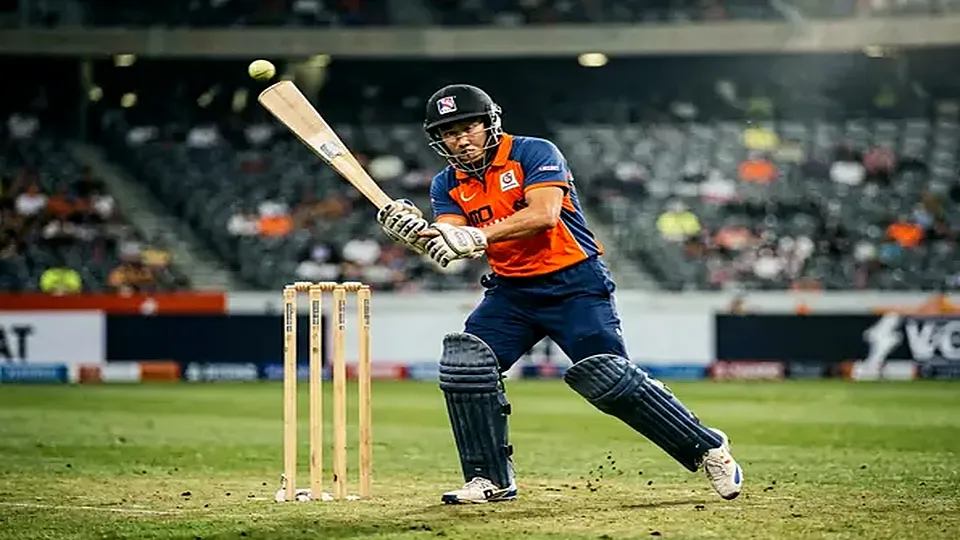
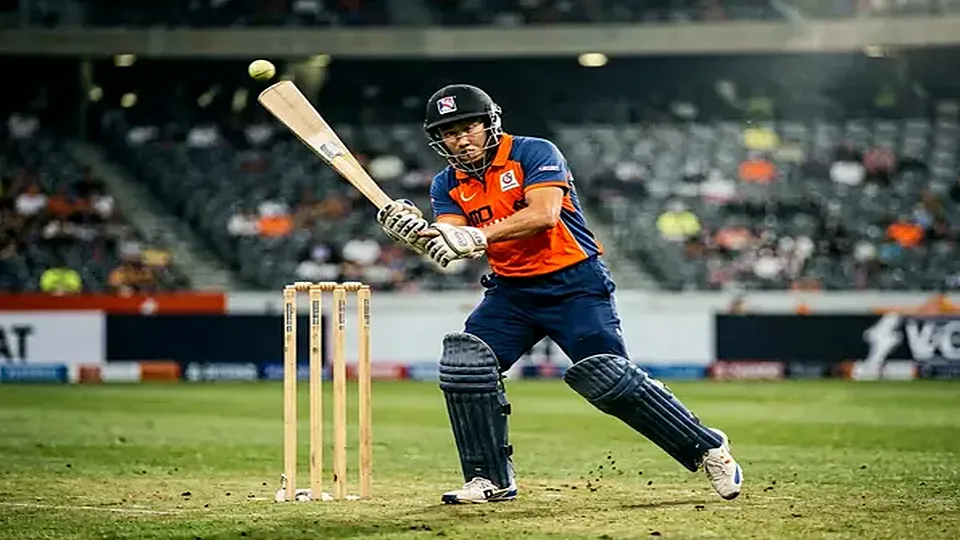
The humidity in Auckland is sticking to the back of your neck like wet plaster. It’s that specific Pacific coast chill that seeps into the joints before the first ball is bowled. For the Indian squad, the fourth T20I isn’t just a match; it’s a referendum on who holds the line when the dew factor kicks in after 8:30 PM IST. And right now, all eyes are on one name: Ishan Kishan.
Word from the dressing room is stark. The opener has been managing a tightness in his shoulder since the previous outing. In domestic cricket, we call this a 'Ranji grind' injury—the kind that lingers, aches in the cold, and makes every single arm extension feel like it’s pulled from rusted hinges. But T20Is don’t have rusted hinges. They have high-intensity explosions.
Reading the Matka Chart of Bench Strength
There’s a peculiar obsession in Indian cricket circles, a parallel universe where numbers predict destiny. Some fans are literally consulting the time bazar matka panel chart to guess the playing XI. It sounds absurd, I know. But in a sport as chaotic as T20 cricket, the gut feeling of a selector often mirrors the cold, hard data of a chart. The pattern here is clear: if Ishan is ruled out, the bench doesn’t just shift; it fractures.
“In the nets this morning, the ball was skidding across the pitch. Ishan looked hesitant on his front foot. You can’t wait for the perfect line in T20. You have to attack the width, even if it hurts. Even if the chart says you’re due a drop, you have to take the risk. Otherwise, you’re just standing there waiting for the wicket.”
That hesitation is the real enemy. Not the New Zealanders, not the weather, but the mental block that sets in when an opener knows he’s not at 100%. If Ishan goes, who steps in? The obvious answer is Yashasvi Jaiswal, but he’s a specialist, not a match-winner. The gamble? Pushing someone from the middle-order up. Maybe Shubman Gill. Maybe Ruturaj.
The Chokes in the Middle Overs
Let’s talk about the middle overs. It’s where New Zealand’s bowling attack thrives. They bowl into the pitch with a pace that eats the bounce. Skiddy hard length. No powerplay, no death over. Just the 10 to 15th over, where the run rate needs to spike and the wickets are slippery. India’s struggle here isn’t technical; it’s temperament. How do you hold your ground when the ball is doing something different to what you’ve been doing all season?
Look at the predicted XI. The balance is tight. If they drop a spinner for a fourth seamer, they’re betting on the dew. And the dew is a liar. It makes the ball heavy, it makes the gloves damp, it makes the catching radius shrink. I saw a similar scenario at Brabourne last week. The evening air turned the wicket into a sponge. The Impact Player gamble failed because the replacement couldn’t get the ball to the bat.
Chandigarh’s Perspective on the Pressure
Here in Chandigarh, we watch these matches on the big screen at the local chai stalls. The pressure on the young Indians is immense. They carry the weight of a nation that expects dominance, not just survival. It’s a heavy backpack. But cricket is a game of failures. Ishan’s injury is a failure. The middle-overs choke is a failure. The question is: can they fail and still win?
The predicted playing XI looks like this:
- Batting: Yashasvi Jaiswal, Shubman Gill (or Ruturaj), Virat Kohli, Hardik Pandya (c)
- Bowling: Arshdeep Singh, Harshal Patel, Rinku Singh, Nisarg Hota
- Impact Player: Kuldeep Yadav
Notice the absence of Ishan? It’s a massive blow. His boundary-percentage in the powerplay is usually the safety net. Without him, Kohli has to start slower. He has to settle. And against New Zealand’s left-armers, settling is a dangerous word.
The time bazar matka panel chart might suggest a number, a prediction, a sure thing. But cricket isn’t a lottery. It’s a test of nerve. When the sun goes down in Auckland and the lights flicker on, the ball will move differently. The air will feel different. And the Indian dressing room will have to decide: do we protect the wickets, or do we throw the kitchen sink at them?
One thing is certain: if this team is going to win, it will be ugly. It will be scrappy. It will be a match decided by one boundary, one dropped catch, one moment of pure, unadulterated courage. The chart can’t predict that. But the players? They have to.
Related coverage
- NZ T20 win fuels Impact‑Player hype – Bazar Matka Chart spikes IPL bids
- Sensational BBL Report Ignored? IPL Stays Home, Panel Charts Tell the Truth

Updated 2026-11-03 · Instant Rupee Deposits & 60s Withdrawals · 24/7 Support.
Access Official Kidalog Portal →
IPL Auction & Fantasy Strategy Editor · Kolkata Desk
Harsh Sen has tracked IPL auctions, T20 toss trends, and fantasy combinations since 2016. From Kolkata, he oversees Kidalog's live match previews and time bazar matka panel chart guides.
Reader Discussion & Match Reactions (2)4.7★ Community (2 Comments)
Verified Indian cricket reader perspectives & tactical debate on thekidalog.com
Ishans front foot hesitation in the 8 oves context is a strike rate red flag, not just shoulder tightness. You cannot attack the width when your NRR from the first T20I is already negative.
Consulting matka charts to predict the playing XI is peak BCCI dysfunction, a chaotic distraction from actual talent identification. Real risk is bench players who have zero T20I reps being dropped due to injury.
Join the Discussion (2 Reader Comments)
Related Articles
See All
Gautam Gambhir's Transition Narrative Is Back, Four Defeats Later
Jul 8, 2026
'I don't focus on what's happening outside'
Jul 26, 2026
Time Bazar Matka Panel Chart: Complete 2026 India Guide, Live Updates & Verified Access
Oct 17, 2026