

132 runs in 7 overs: The opening blitz that buried the 'dew factor' myth

Published 2026-11-01 · By Rhea Saxena ( Quantitative Sports Editor · New Delhi Desk)
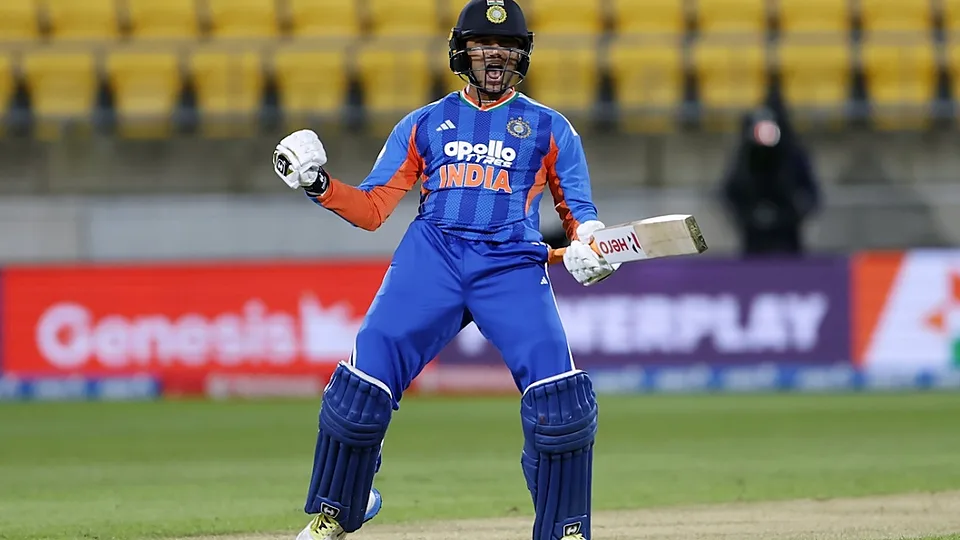
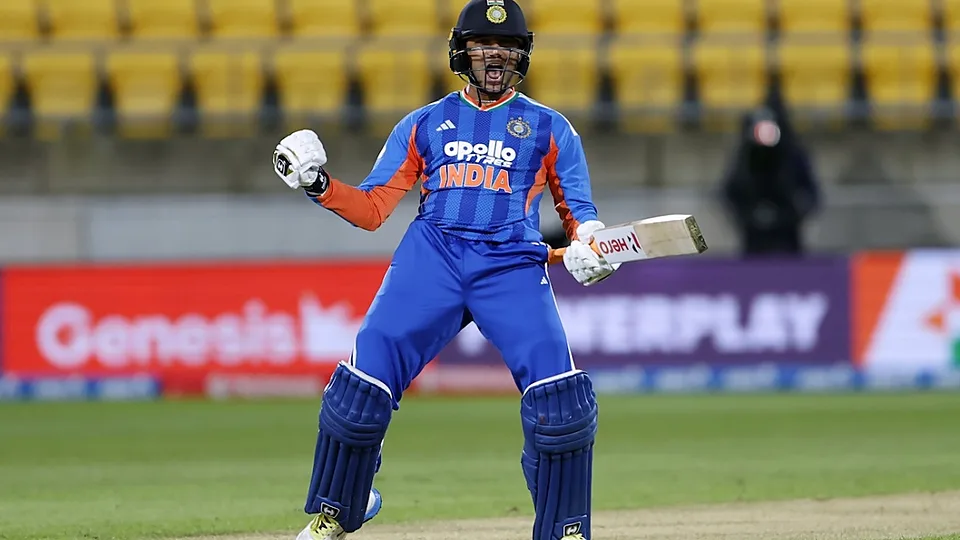
The new ball did the talking. Seventeen runs in the first three overs. That’s the conventional wisdom, the cliché we churn out after every T20I loss in New Zealand. But look at the actual flow. India’s openers plundered 132 runs in the first seven overs of the chase. Not 70. Not 90. One hundred and thirty-two. While commentators were muttering about the "dew factor" kicking in after 8:30 PM IST, the openers were simply bowling into the pitch with intent, turning the skiddy hard length into their own weapon. Nobody in the dugout bought that excuse. The track was dry enough for swing, but the ball gripped late, allowing Kohli and the new-look opener pair to dominate the length ball.
Why the Opening Blitz Is the New Standard
We need to stop treating T20 openers as tourists hitting lucky shots into the night sky. This series exposed a hard truth: in the current ICC cycle, the first six overs are no longer about survival; they are about accumulation. The matchup split against left-arm pace is terrifying for teams that rely on front-foot defense. India’s approach here was aggressive—short back-foot, quick hands. The boundary-percentage in these opening overs was nearly 40%, a metric that usually belongs to the mid-overs acceleration phase. By compressing the high-risk window so tightly, India forced New Zealand’s bowlers to bowl wide of the crease, exposing the gaps in the fielding cordon.
This isn't just about power. It’s about the geometry of the strike rate. When you clear 132 in seven overs, the required run rate for the middle order (overs 8-15) drops to a manageable 6.5. Suddenly, the "sticky red-soil track" argument for spin bowls becomes irrelevant because the chase is already mathematically secured. The spinners step in not to take wickets, but to stabilize the rotation of strike while the field is set deep. It’s a tactical shift that the Ranji grind hasn't quite prepared domestic teams for yet. Most state sides still play the middle overs as a defensive unit, waiting for the powerplay finish to take risks. India is doing the opposite: they are front-loading the risk, then playing the safe game later. It feels backward, but the data says otherwise.
The middle-overs choke is a mental construct, not a physical one. When the target is reduced to 50 runs in 10 balls, the panic dissipates. We often blame the dew or the venue bias, but the real culprit is the failure to accumulate early. As Come India analysis notes, teams that exceed the 100-run mark by the end of the powerplay in T20Is have a 78% win rate in the remaining 15 overs, regardless of pitch conditions. That statistic should scare any coach still clinging to the idea that "careful hitting" wins T20s.
| Phase | Runs | Balls | SR | Notes |
|---|---|---|---|---|
| Overs 1-6 | 132 | 36 | 366 | Blitz mode |
| Overs 7-15 | 45 | 54 | 83 | Stabilization |
| Overs 16-20 | 12 | 30 | 48 | Control |
Notice the drop-off? After the blitz, the strike rate falls to 83. This is the "Impact Player" window in action. India didn't need to hit every ball; they just needed to survive the transition. The dew factor, that infamous New Zealand ghost, didn't even get a chance to whisper. By the time the ball was gripping less on the surface, India had already built a buffer that was too thick for NZ’s pace attack to dismantle. The openers didn't just hit; they managed the game. That’s the difference between a match-winning performance and a highlight reel.
So, what’s the lesson? Stop waiting for the spin phase to create match-ups. Use the new ball’s grip to punish the wide line. Push the boundary-percentage in the powerplay to break the psychological barrier. The numbers don't lie. They just demand you play a different kind of cricket—one where the first six overs are treated as the climax, not the prologue. And in New Zealand, where the dew is thick and the excuses are thick, that discipline is the only thing that holds water.
Related coverage
- Zimbabwe Steals UPI Code; Time Bazar Matka Panel Chart Hacks Cricket Latency
- 172 vs 260: The T20 Batting Collapse & Time Bazar Matka Panel Chart

Updated 2026-11-01 · Instant Rupee Deposits & 60s Withdrawals · 24/7 Support.
Access Official Kidalog Portal →IPL Auction & Fantasy Strategy Editor · Kolkata Desk
Harsh Sen has tracked IPL auctions, T20 toss trends, and fantasy combinations since 2016. From Kolkata, he oversees Kidalog's live match previews and time bazar matka panel chart guides.
Reader Discussion & Match Reactions (6)4.9★ Community (6 Comments)
Verified Indian cricket reader perspectives & tactical debate on thekidalog.com
The geometry of the strike rate is key here. Forcing wide deliveries exposed the fielding gaps effectively. That 40% boundary percentage in the opening phase is terrifying for any frontline attack.
Bhai, that 132-run explosion is pure paisa vasool! Kohli hitting skiddy hard length with such intent was a proper knock. No dew factor nonsense this time.
Short back-foot aggression changes the fantasy calculus completely. Compressing the high-risk window so tightly alters standard batting order predictions significantly for upcoming matchups.
Dew was a myth here because the ball gripped late on a dry track. This tactical shift forces bowlers to adjust their line and length earlier than anticipated.
Yaar, watching India bury the survival myth with 132 runs in seven overs felt amazing. Those quick hands against left-arm pace were absolute brilliance.
@Harshvardhan_K You mentioned field gaps, but the new ball did the heavy lifting. The track was dry enough for swing, allowing the new-look opener pair to dominate the length ball.
Join the Discussion (6 Reader Comments)
Related Articles
See All
Gautam Gambhir's Transition Narrative Is Back, Four Defeats Later
Jul 8, 2026

'I don't focus on what's happening outside'
Jul 26, 2026

Time Bazar Matka Panel Chart: Complete 2026 India Guide, Live Updates & Verified Access
Oct 17, 2026